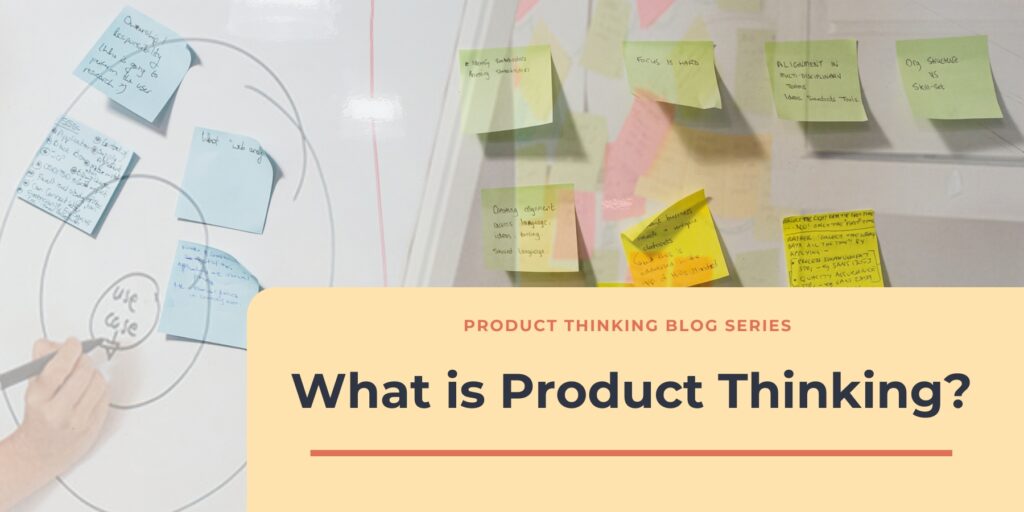
This piece is written by Paul Figueira, Head of Design at Open Cities Lab. Paul’s work spans architecture, product, and civic technology, and has led and contributed to the design
Open Cities Lab (OCL) is pleased to announce that we are joining the Digital Public Goods Alliance (DPGA), a UN-endorsed multi-stakeholder initiative working to accelerate the discovery, development, use, and
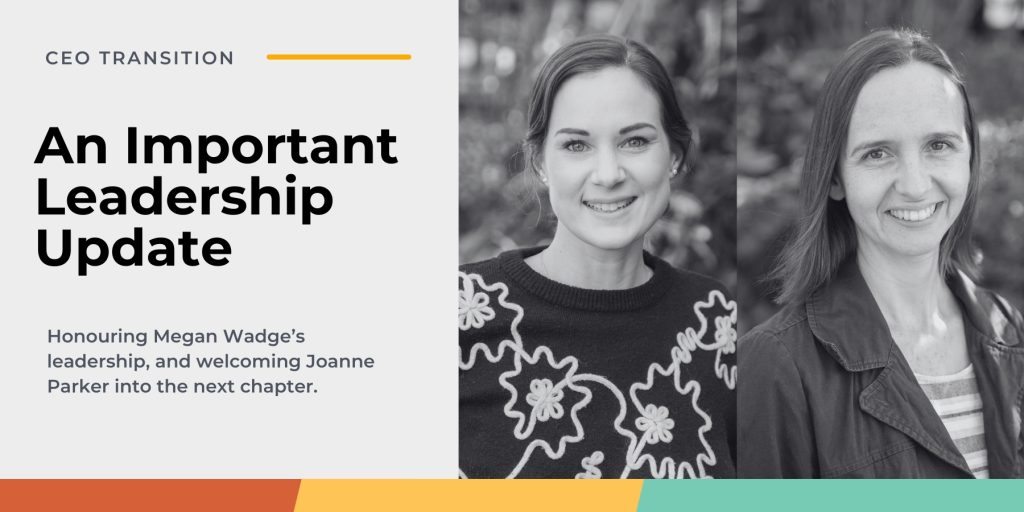
Leadership Update As we step into this next phase, we also want to share an important update with our community. After steering OCL through a particularly complex and unpredictable season,
All across Africa, in cities, towns, innovation hubs, government offices, and community spaces, people are quietly and consistently building the digital foundations of our continent’s future. They are integrating systems,
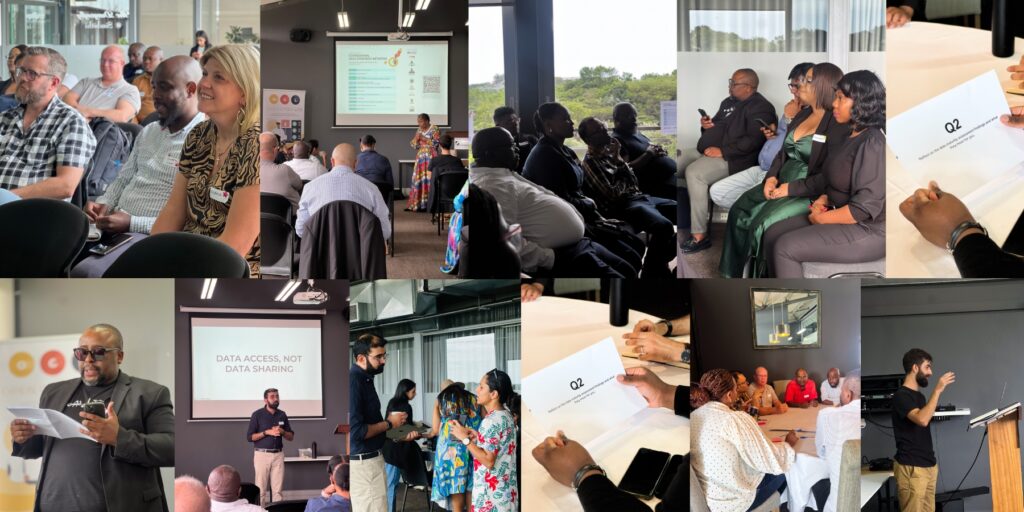
On 3 November 2025, on the side lines of the Global DPI Summit in Cape Town, Open Cities Lab (OCL) and eGov Foundation brought together a powerful mix of South
At the beginning of November, we experienced one of those truly serendipitous moments in the OCL calendar. It was a “divide-and-conquer” type challenge to be everywhere, all at once –
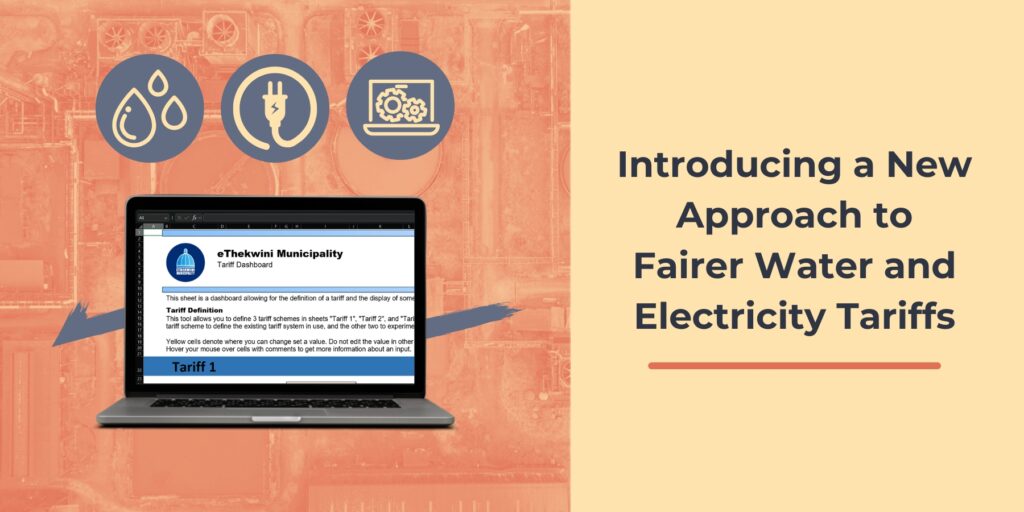
The tariff modelling tool helps municipalities create fair and transparent water and electricity tariffs. Using real consumption data, the tool allows cities to test different pricing options, compare their impact
From electoral data platforms to national digital infrastructure, OCL reflects on a year of deep impact and future-facing innovation. Open Cities Lab (OCL) is proud to release its 2024/2025 Annual
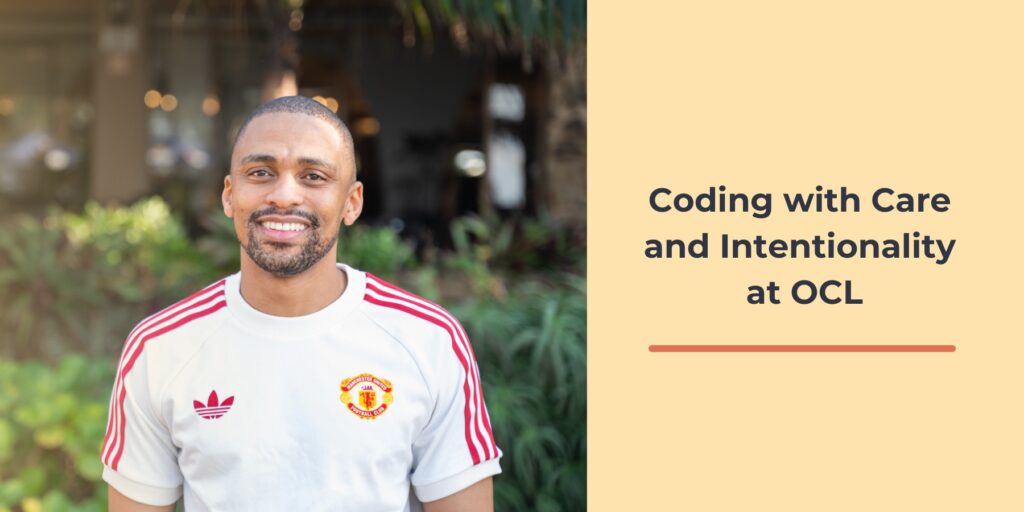
This blog spotlights OCL Lead Developer Tshiamo Motshabi’s journey from joining as an intermediate developer to mentoring new talent through our graduate programme. In this Q&A, we unpack how practices
Open Cities Lab is deeply invested in Digital Public Infrastructure (DPI) as a pathway to more inclusive, responsive, and rights-based service delivery in Africa. Megan Wadge, our CEO, reflects on
Open Cities Lab enters a new chapter with Megan Wadge continuing as CEO and executive director, following a successful co-leadership model with outgoing founder Richard Gevers. Backed by a strong
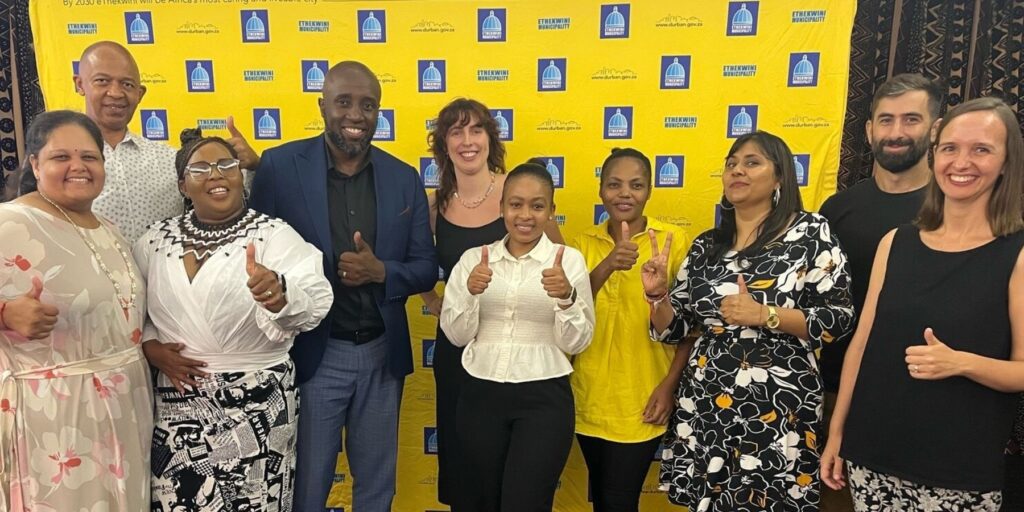
At Open Cities Lab, we believe the people most affected by a problem should shape the solutions. That’s why city residents (the ultimate beneficiaries) are at the centre of our
The Council Resolution App was developed to address the inefficiencies and delays caused by outdated, manual tracking systems for managing council resolutions in eThekwini Municipality. By digitising the process and
Central to our design work is a process of listening, learning, and adapting to build tools that are accessible, scalable, and deeply user-centred. Our work isn’t just about solving problems
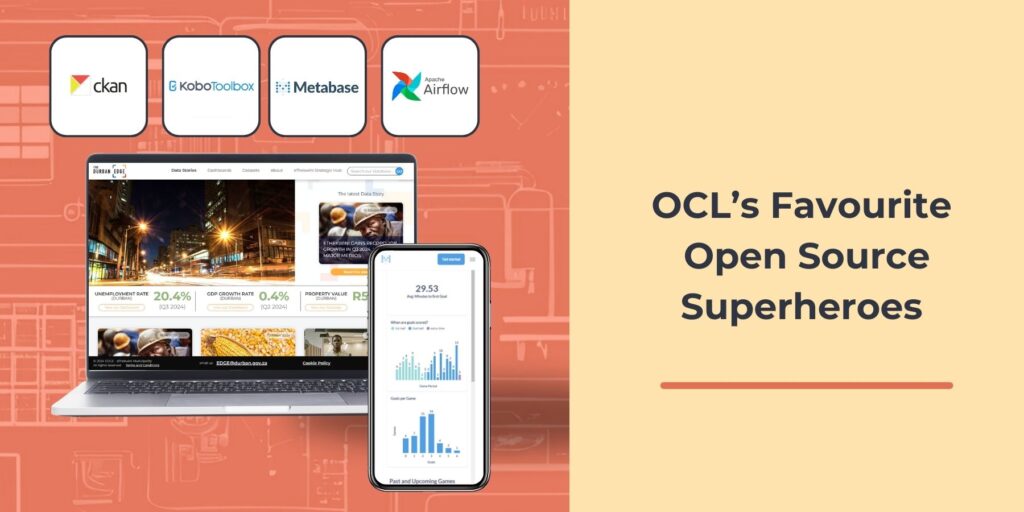
At OCL, we rely on open-source technology to build data-driven solutions that empower communities and improve city governance. In this blog, we’re spotlighting the powerful open-source tools that support our
When we talk about responsible technology, we mean building tech that helps people while minimising harm. Our Responsible Tech Toolkit is a practical guide to making ethical, inclusive, and just
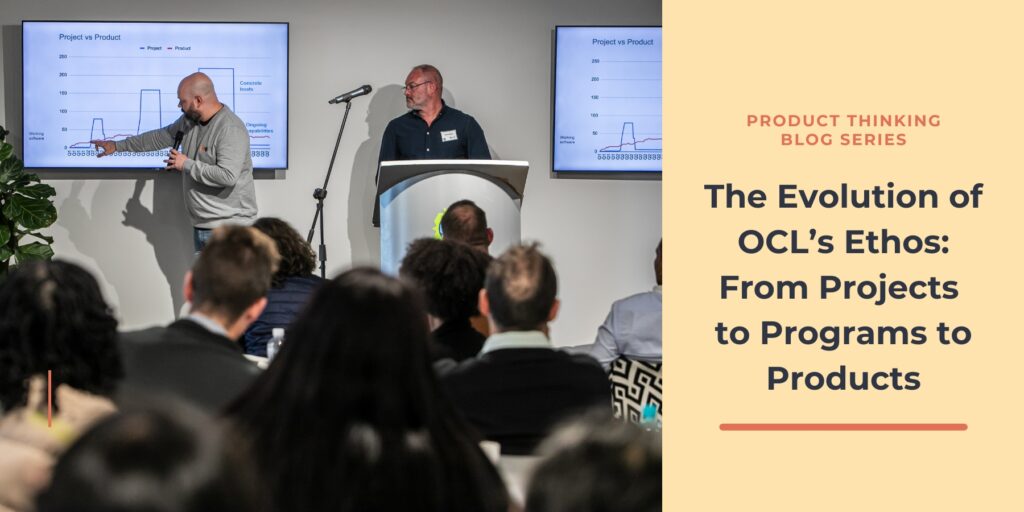
Looking back on our journey over the years, from Open Data Durban to Open Cities Lab, we have continuously evolved our approach to maximise the impact of our work. We’ve
Municipalities across KwaZulu-Natal are embarking on a digital and data transformation journey to enhance crisis response, improve service delivery, and foster data-driven decision-making for more resilient and inclusive cities. When