

At the beginning of November, we experienced one of those truly serendipitous moments in the OCL calendar. It was a “divide-and-conquer” type challenge to be everywhere, all at once – but we did it! The stages, conversations and impact we experienced was humbling, and a testament to a decade of showing up for African cities in a real, human way. So this article is a celebration of a team that presented Africa (and OCL) in the most impressive way.
We truly waved the OCL flag high in the week that was!
In Cape Town we contributed to global conversations about Digital Public Infrastructure, hosted city leaders from across South Africa and deepened relationships with African implementers in the growing ImNet. In Strasbourg, France, we presented our voter information tools (shout out to Ella & MyCandidate!). In Grahamstown, Paul brought human-centered design into a multi-stakeholder workshop on social protection. In Johannesburg, Ayanda connected with journalists and data storytellers at AIJC, and back in Cape Town, Wasim closed out the week by sharing his insights on civic tech at Ummah Tech.
It was OCL showing up in full colour for what we so wholeheartedly believe in.
As we start winding down for the year, the week that was felt like a reminder – a very joyful (albeit tiring) one – of how far we’ve come and who we are becoming:
A team trusted to work with many others to build African cities where every resident regardless of income, identity or location can access essential services they need with dignity and ease. We’re passionate about locally grounded digital public infrastructure that enables long-term institutional change and supports African cities as they lead their own digital futures.
So, here’s a story of the week that was: 3-7 November 2025.
1. Cities Taking the Mic at the MijiBora DPI Side Event
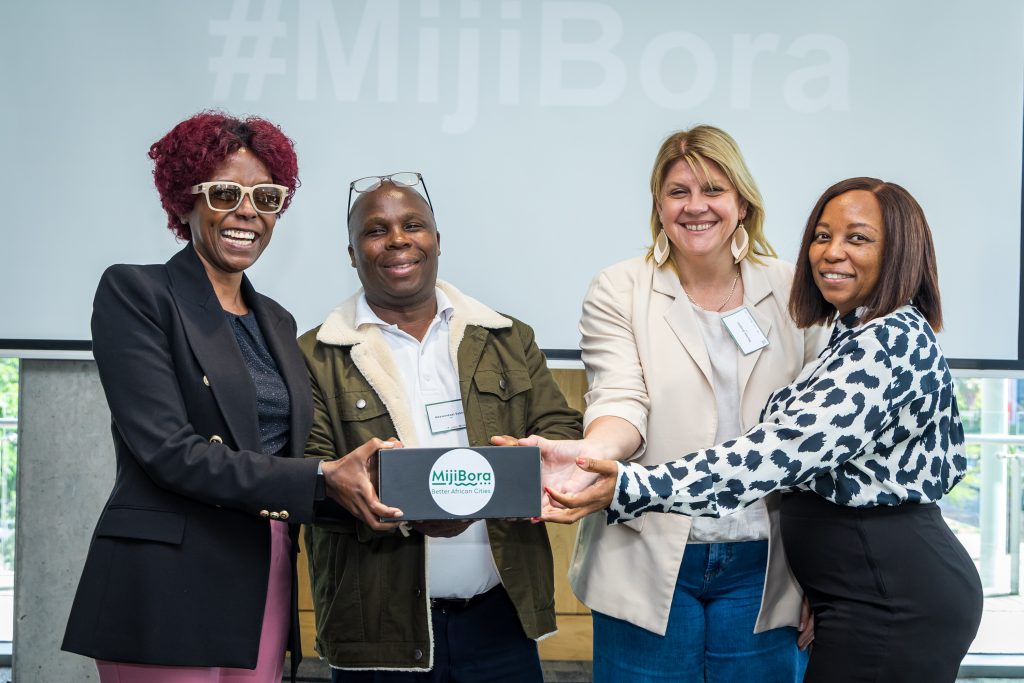
We started off the week bright and early on Monday at the MijiBora DPI Side Event at the Cape Town International Convention Centre, conveniently under the same roof as the Global DPI Summit, which would open the following day. The room was full. The energy was high.
This culminated in twenty-one municipal officials from ten municipalities speaking openly on the day about data gaps, revenue leaks, ageing infrastructure, and the daily realities of serving residents. Their pitches were sharp, honest, and deeply rooted in lived experience.
Together with partner organisations, we reflected on what it will take to build the digital foundations cities deserve. eGov led a hands-on workshop translating DPI principles into real service journeys. We left with renewed momentum as we carry this work forward into the new year.
Across workshops and group exercises, we rolled up sleeves (literally – the tables and floors covered in large sheets and sticky notes) to translate DPI principles into service journeys that reflect African contexts. eGov Foundation captured the heart of this approach:
“The goal is to build digital systems that absorb the knowledge of the domain; tools that understand the work of cities, reflect the realities of municipal service delivery, and evolve as those needs change. When systems are designed this way, they become governable by municipalities themselves.”
And from Public Digital, a reminder that echoed across the day:
“Start with use cases, take a service mindset, and focus on the social side of infrastructure. Build capacity, not dependency.”
The Side Event also marked a milestone in our MijiBora Communities of Practice journey where months of shared learning, data + digital maturity assessments and co-design sessions began taking shape as practical city-driven pathways for improved service delivery.
The takeaway was unmistakable: Digital transformation is ultimately about the people; the residents who rely on public services and the municipal teams who deliver them.
2. The Global DPI Summit

By the time the Global DPI Summit opened the next day, many technical implementation conversations were already in the air. Interoperability, data exchange, digital ID, inclusive design, localisation… everywhere you turned, something important was happening. For OCL, it was an opportunity to contribute our experience from city-level implementation and South Africa’s emerging DPI pilots. We watched panel discussions where use-cases were being presented, participated in smaller technical workshop sessions, attended other side events, and were in rooms where new partnerships were forming.
A few standouts from the Summit for our team:
- The Minister of Communications and Digital Technologies demonstrated the MyMzansi drivers’ license renewal process, setting an energising tone for the week’s discussions about public-facing digital services.
- MzansiXchange featured prominently in cross-government technical conversations, with OCL present as the technical implementation partner.
- Co-design workshops organised by the MyMzansi team that imagined futures for gogos doing proof-of-life verification, job seekers navigating administrative burdens, and residents needing easier access to documentation.
- OCL teammates fielding questions about data standards, governance, and design, and troubleshooting code on the fly to keep demos running smoothly.
- The many, many moments of connection with fantastic people working towards digital transformation in real and tangible ways.
3. Growing Africa’s Implementation Network
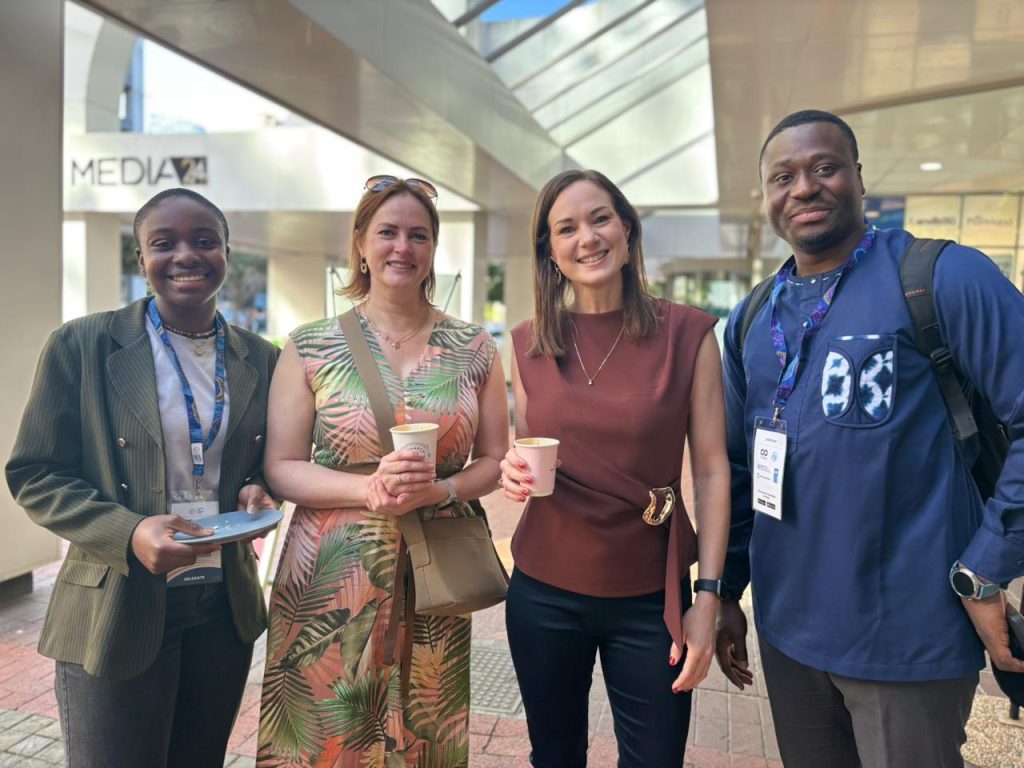
Midway through the week, we gathered at a local cafe in Cape Town for something small but meaningful: our first in-person DPI Implementation Network Coffee Connect. Over coffee and conversation, DPI implementers from across Africa (some we already connected with, others we met during the summit) shared stories about the realities of building and sustaining digital public infrastructure in their own contexts. What made the morning so special was the natural connections that happened outside of our OCL team. It wasn’t just OCL meeting whoever walked through the door, it was practitioners finding each other and realising they were facing many of the same challenges.
That’s exactly what we want the Implementation Network to become:
A community of doers who can learn from one another and collaborate meaningfully to build Africa’s digital future.
We’re excited to see how this community continues to grow.
4. MyRep at the World Stage in Strasbourg for Democracy
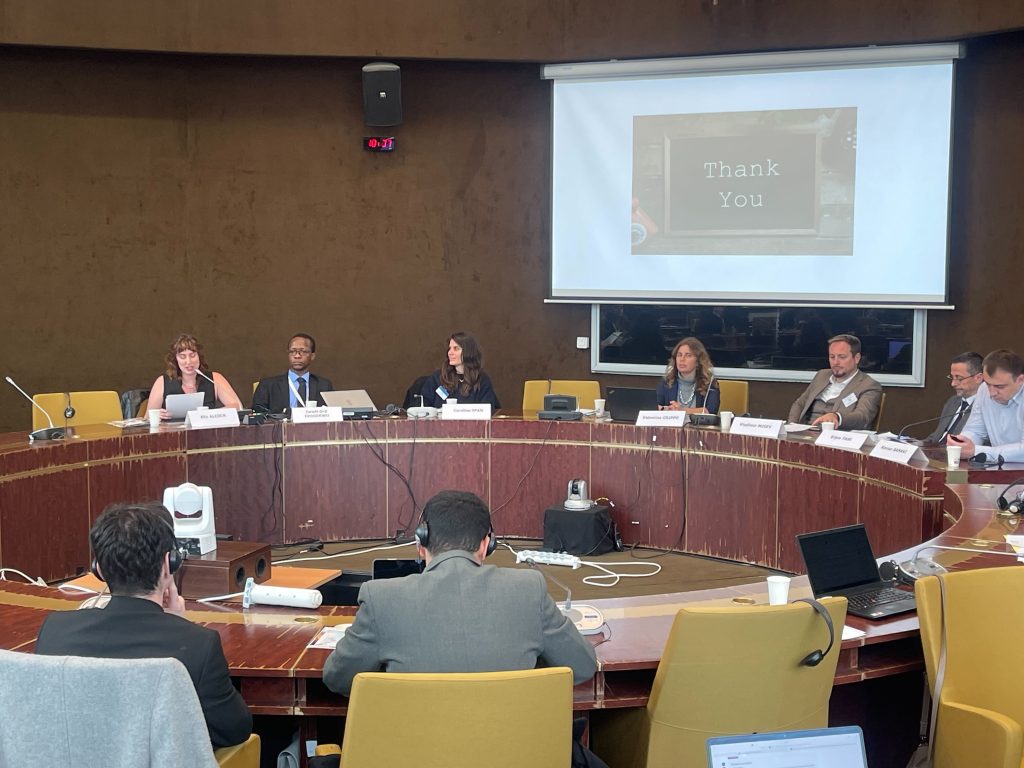
While some of the team was in Cape Town, OCL’s Product Manager for MyCandidate and MyRepresentative, Ella Alcock was thousands of kilometres away in Strasbourg, France at the World Democracy Forum at the European Council to share a journey that began with a simple question:
Why is it so hard for people, especially young and first-time voters to find clear, accessible information about who’s contesting in local elections?
A little back story: In 2021, as South Africans prepared to vote, we realised that essential information was buried in long PDFs, scattered across platforms, and inaccessible to many. So we built a simple tool: type in your address and instantly see who’s running, what they stand for, and which ward you’re in.
That tool became MyCandidate, and soon after, it spread beyond South Africa to Nigeria, Sierra Leone, and Zimbabwe, revealing something powerful: young e
MyCandidate grew quickly, then expanded to Nigeria, Sierra Leone, and Zimbabwe.
But as more people used it, another question emerged: how do residents stay informed between elections?
That’s how MyRep began, a tool that makes councillor records easy to find and understand, currently piloted with eThekwini Municipality.
Ella shared this journey on the global stage, reminding delegates that democracy is strengthened not just by voting day, but by the information ecosystem that surrounds it. Check the video out here.
5. Africa Data Hub at AIJC, Supporting the Data Journalism Ecosystem
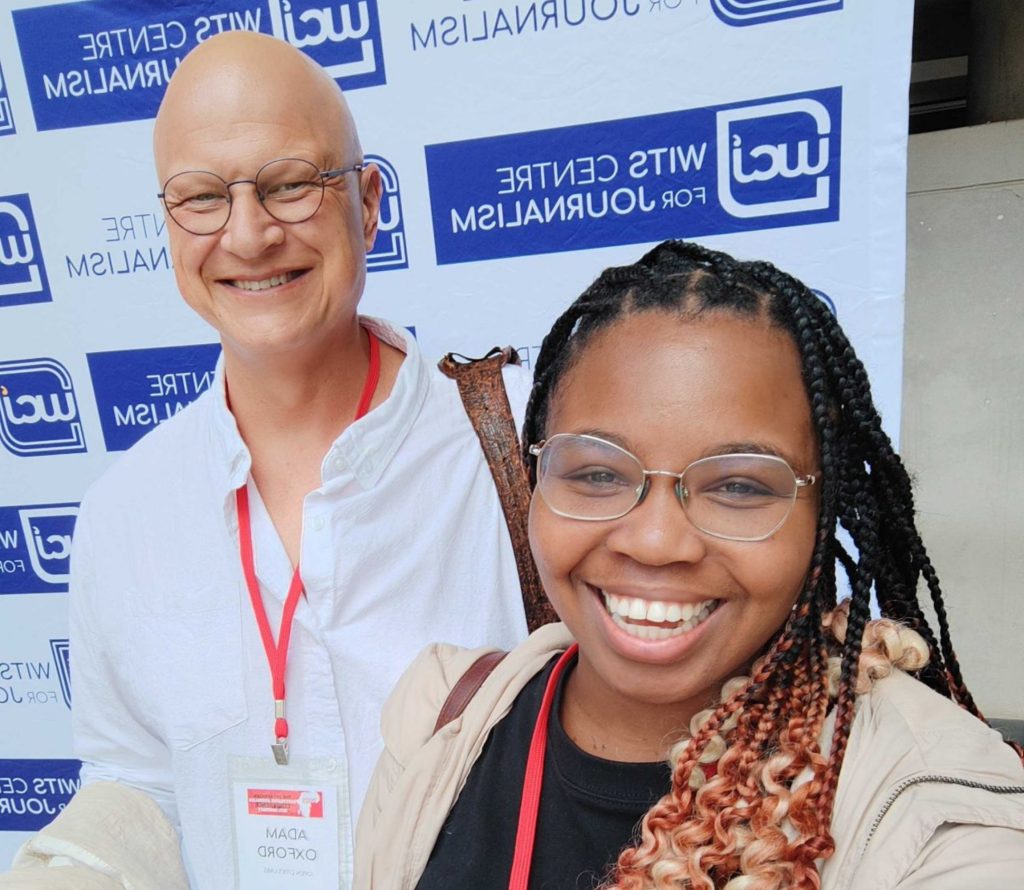
Meanwhile (we warned you, it was a BUSY week!), our Product Manager for Africa Data Hub (ADH), Ayanda Mhlanga, and the ADH team were at the African Investigative Journalism Conference (AIJC), held at Wits University in Johannesburg, South Africa.
AIJC brought together journalists, editors, storytellers, and investigative reporters from across the continent, all passionate about strengthening public-interest reporting. A standout moment was sharing how tools like InfoScout can help journalists analyse and uncover insights from large volumes of their own data, reducing effort while strengthening investigations and enabling richer storytelling. The response from newsrooms was enthusiastic, with many exploring new ways of integrating data into their reporting.
6. Co-Designing Social Grant Accessibility Systems at the DISPACT Co-Design Workshop
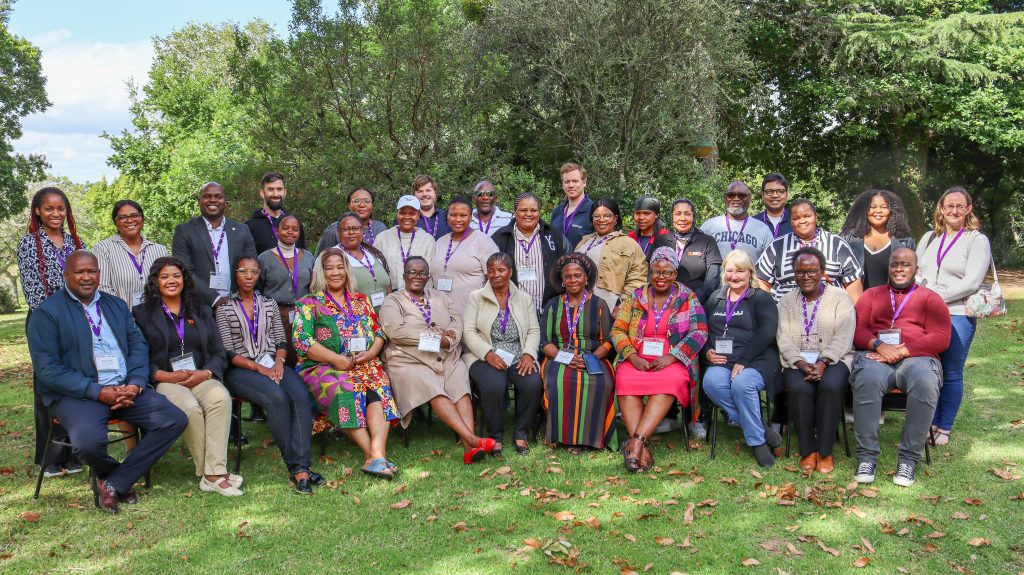
Midway through the week, our Design Lead, Paul Figueira, travelled to Rhodes University to take part in the DISPACT Co-Design Workshop, a gathering centred on a question that affects millions of people in South Africa:
How can we make it easier and more dignified for people to access social grants?
Hosted by the Institute of Development Studies (IDS), Black Sash, OpenUp, and partners, the workshop brought together a truly multi-stakeholder room: community members, social justice organisers, SASSA officials, researchers, and local government representatives all working together to co-create a practical toolkit to help grant recipients access services with dignity and ease.
We’re grateful to Dr Caroline Khene and the IDS team for creating such a reflective, grounded space, and to Black Sash for their ongoing leadership in advocating for grant recipients nationwide. The workshop surfaced new relationships and potential collaborations, and reminded us that designing with communities is always where meaningful change begins.
7. Our Chief Technology Officer at Ummah Tech
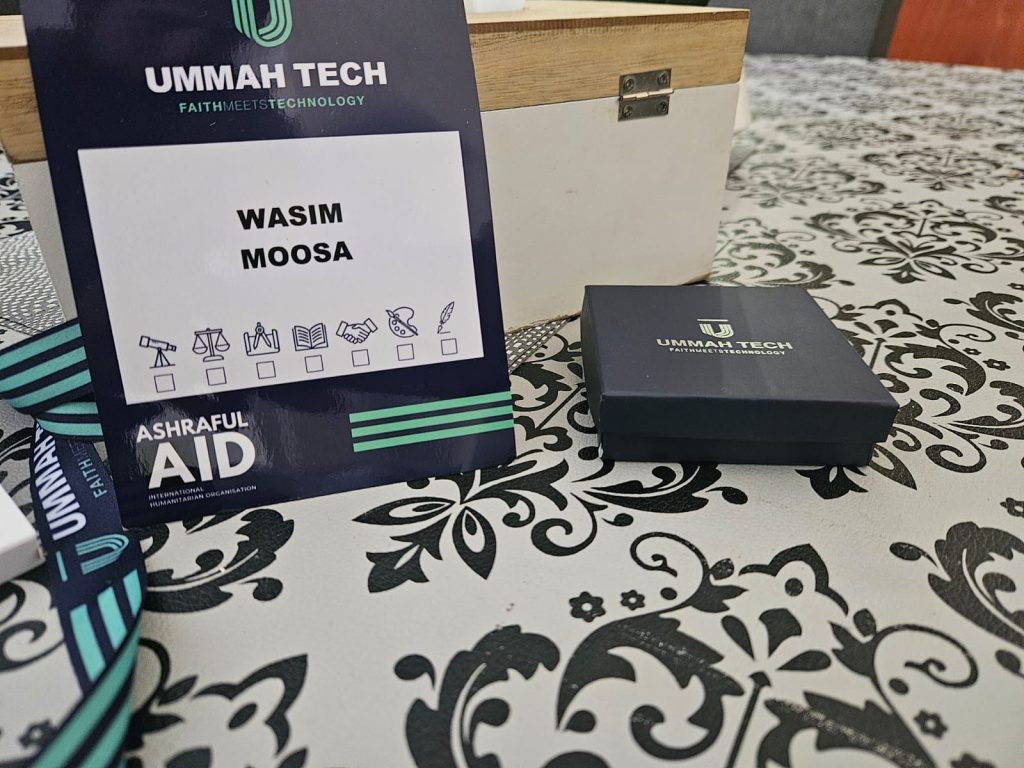
Phew! Lastly, we wrapped up the week on a high note with our Chief Technology Officer, Wasim Moosa, taking the stage at Ummah Tech 2025 on Saturday in Cape Town. Wasim shared insights from years of leading OCL’s tech work, speaking about realities of systems integration, AI research and solution architecture in environments where legacy challenges meet new possibilities.
His message echoed what the whole week reminded us of:
Technology is most powerful when it deepens trust, strengthens governance, and helps people live better, more connected lives.
And as vibrant and wide-ranging as the week was, it also reminded us why we do this work in the first place:
Data and digital transformation work (and DPI) only matters when it supports real institutions, real people, and real cities; because local government is where residents experience the state; and because transforming service delivery in African cities is long, patient, systems-level work.
The week that was week showed us what that journey looks like in motion: cities stepping forward, partners aligning, implementers connecting, journalists innovating, communities designing, and our team showing up with enthusiasm and relentless commitment across every space.
It was a crazy, energising and entirely memorable culmination of months (years even!) of work and preparation – an exciting glimpse of the organisation we already are, and the one we are fast becoming.