
The Week That Was

At the beginning of November, we experienced one of those truly serendipitous moments in the OCL calendar. It was a “divide-and-conquer” type challenge to be everywhere, all at once – but we did it! The stages, conversations and impact we experienced was humbling, and a testament to a decade of showing up for African cities […]
Introducing a New Approach to Fairer Water and Electricity Tariffs
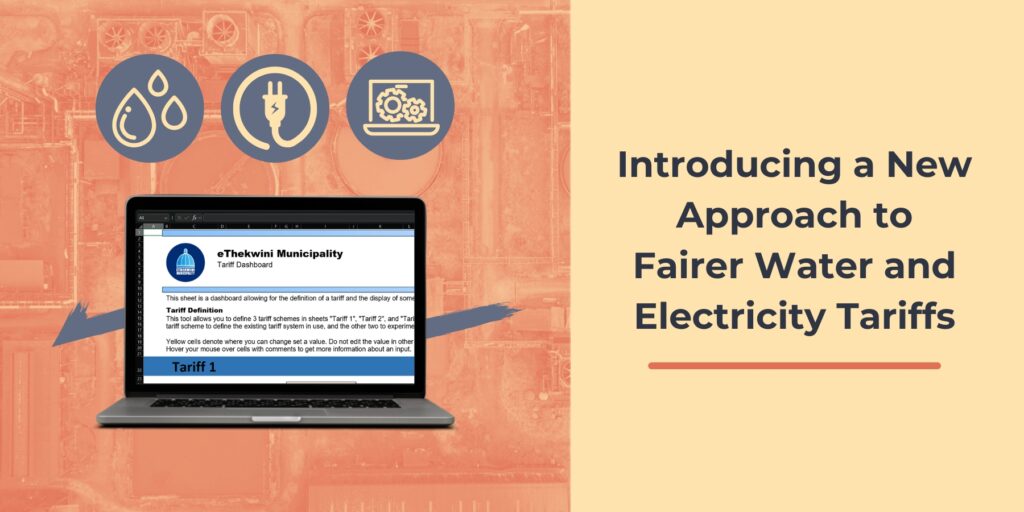
The tariff modelling tool helps municipalities create fair and transparent water and electricity tariffs. Using real consumption data, the tool allows cities to test different pricing options, compare their impact on households and businesses, and balance affordability with financial sustainability. By simplifying complex tariff models, it makes pricing easier for finance teams to design, residents […]
Transforming Municipal Processes with the Council Resolution App

The Council Resolution App was developed to address the inefficiencies and delays caused by outdated, manual tracking systems for managing council resolutions in eThekwini Municipality. By digitising the process and centralising updates within a SharePoint system, the app allows municipal departments to submit real-time updates, track progress, and generate automated reports. The tool enhances transparency […]
Kicking Off a Digital Revolution in KZN Municipalities
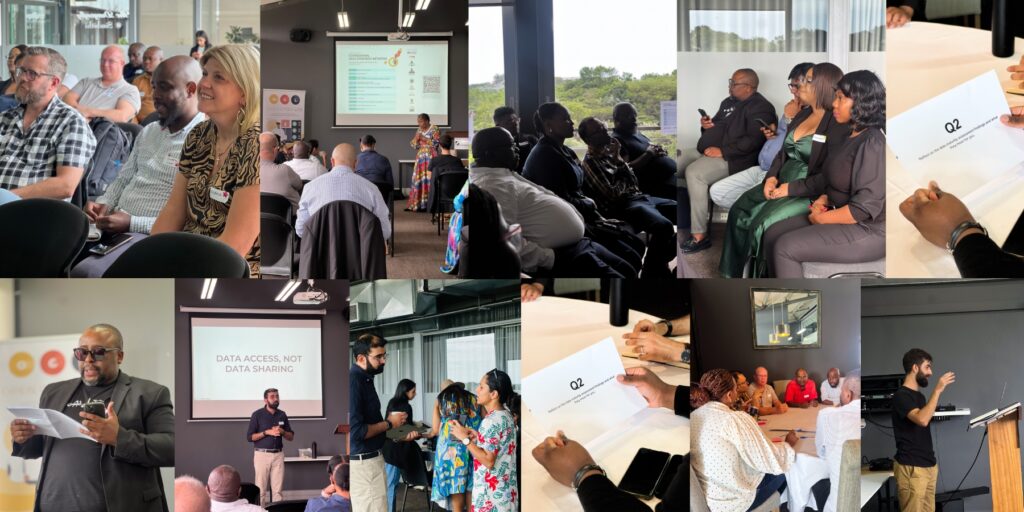
Municipalities across KwaZulu-Natal are embarking on a digital and data transformation journey to enhance crisis response, improve service delivery, and foster data-driven decision-making for more resilient and inclusive cities. When the COVID-19 pandemic hit in 2020, it wasn’t just a test of healthcare systems, the pandemic highlighted gaps in how cities manage crises and plan […]
How Cities Can Overcome Data Silos and Improve Efficiency
Cities struggle with data integration, causing inefficiencies and higher costs. This blog outlines solutions like centralised data hubs, hybrid tech models, and strong governance to boost collaboration and improve service delivery. At Open Cities Lab (OCL), we’ve been working with several South African cities to help them better structure and share their data, with a […]
Building a Resilient Future: Cape Town Unveils Its New Data Strategy

A data strategy drives informed decisions, improves services, and helps cities adapt while prioritising their most vulnerable residents. On September 9 2024, the City of Cape Town made history by becoming the first city in Africa to launch a comprehensive data strategy. This landmark data strategy represents years of stakeholder engagement, meticulous planning and in-depth analysis. The […]
Co-Creating a Data Strategy Toolkit for Resilient Cities
This article details the collaborative process of co-creating a flexible data strategy toolkit to empower cities in data-driven decision-making and urban resilience. Supported by the UK Government, Open Cities Lab develops a practical, adaptable toolkit tailored to city needs. At Open Cities Lab, we are always looking for effective ways to build data tools which […]
Designing the Future for Cities that Empower and Include

The importance and implementation of gender equality and social inclusion embedded into urban design. One morning in Nairobi, a friend and I decided to walk to a restaurant for breakfast. Our journey started off smoothly as we walked along the sidewalks of the neighbourhood. But soon, the sidewalks disappeared – we joked that it was as […]
How Independent Candidates Change the Elections Game in 2024
The 2024 elections in South Africa mark a pivotal evolution in the country’s democratic process, introducing significant reforms that could reshape the political landscape. Among the most noteworthy changes are the allowance for independent candidates to run in national and provincial elections and a nuanced approach to counting votes. These adjustments are designed to foster […]
Key Changes in the 2024 South African Elections

As we approach the 2024 elections in South Africa, voters will encounter significant updates to the voting process. These changes, set by the Electoral Amendment Act signed in April 2023 and a key decision by the Constitutional Court in 2020, are designed to make this year’s elections more inclusive, allowing for a wider range of […]